BrandingDesign
10/07/2025
We will contact you as soon as possible to schedule a discovery call.
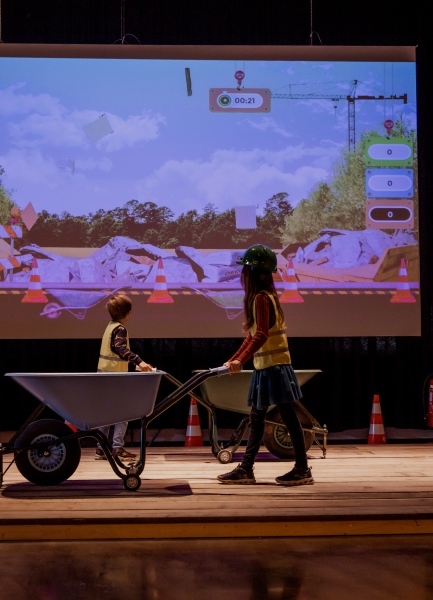
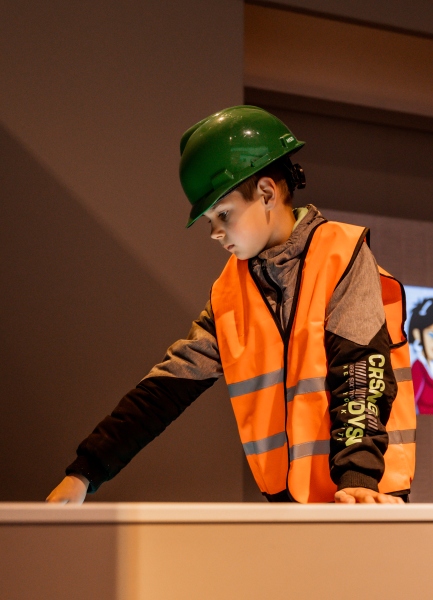





A new branch within the game industry is “Meaningful Play,” also known as “Serious Games.” This type of game is used to achieve predefined goals in a structured and measurable way. Research has shown that combining game mechanics with real-world learning objectives can help people improve in various areas. As a result, serious games are now widely used in healthcare, education, marketing, and as tools for training, recruitment, and selection.
In museums and science centers, serious gaming - often in the form of interactive exhibits - is used, among other things, to explain informational and educational topics. Interaction typically takes place via touchscreens or sensors. The information is absorbed more quickly, and the overall experience of consuming that information is perceived as more enjoyable.
A serious game is a game with a primary purpose other than pure entertainment, such as communication, recruitment or selection, education, or gaining insight into a specific process or subject. The entertainment and gameplay elements within a serious game serve to enhance the experience and, in doing so, support the transfer of information and the achievement of content-driven objectives.
Serious games create a familiar and challenging (learning) environment for the target audience. They can be applied in a wide range of contexts, from role-playing simulations in fields such as healthcare and disaster response, to corporate training programs, and even psychological assessments used to determine whether a candidate is suitable for a particular role.
Within a business environment, serious games can be used not only for training, but also to improve organizational processes or gain strategic insights. In recent years, the use of serious gaming - in this case, gamification - within companies has increased significantly, both internally (to encourage employee engagement) and externally (to increase customer engagement).
An interesting addition to serious game learning environments is the multiplayer option, in which a team of participants, each with their own role, must solve a specific problem, with the actions of each participant influencing the others.
Gamification is a game-based approach in which game elements are added to the everyday activities of employees to stimulate improvement. Think of incorporating reward systems - such as goals, points, and badges - to make a process more engaging and motivate participants to complete it in the best and most efficient way.
That learning through play is a highly effective way of transferring information is widely recognized. Serious Games achieve their goals because:
 This interactive water table, conceived and developed on behalf of Waterschap Hunze en Aa’s, gives young people insight into the work of - and working at - the water authority. Through a series of games and interactive infographics, young players are introduced to the world of the water authority. They learn how the water authority manages water levels, ensures good surface water quality, and the role it plays in the event of a water crisis.
The C2C BIZZ game developed by De Jongens provides clear and playful insight into the different steps of the C2C business process. This online board game is an example of how a serious game can add real value on a website when it comes to conveying information.

“Jong Markant, told to never forget” is an interactive digital historical discovery journey. With a tablet in hand, children walk through the center of Venray. Through short videos about history and fun games such as piggy tag, sheep herding, fetching buckets of water, various puzzles, and a full-fledged “defend Venray” game, players are taken back in time.
By playing, learning, and discovering, participants experience local Venray history in a fun, accessible, and entertaining way.